Telemetry System – Real-Time Industrial Monitoring
Project Purpose: To implement a state-of-the-art telemetry system that enables real-time monitoring of critical equipment, variables, and installations, providing precise and updated data for enhanced decision-making and fault prevention.
The Transformation
- Before: Manual or non-existent monitoring of critical variables (such as temperature and humidity), delayed fault detection, reactive maintenance after incidents occurred, and financial losses due to unplanned equipment downtime.
- After: Centralized and automated 24/7 control, instant visualization of metrics on interactive dashboards, immediate automated alerts, and a drastic reduction in overall downtime.
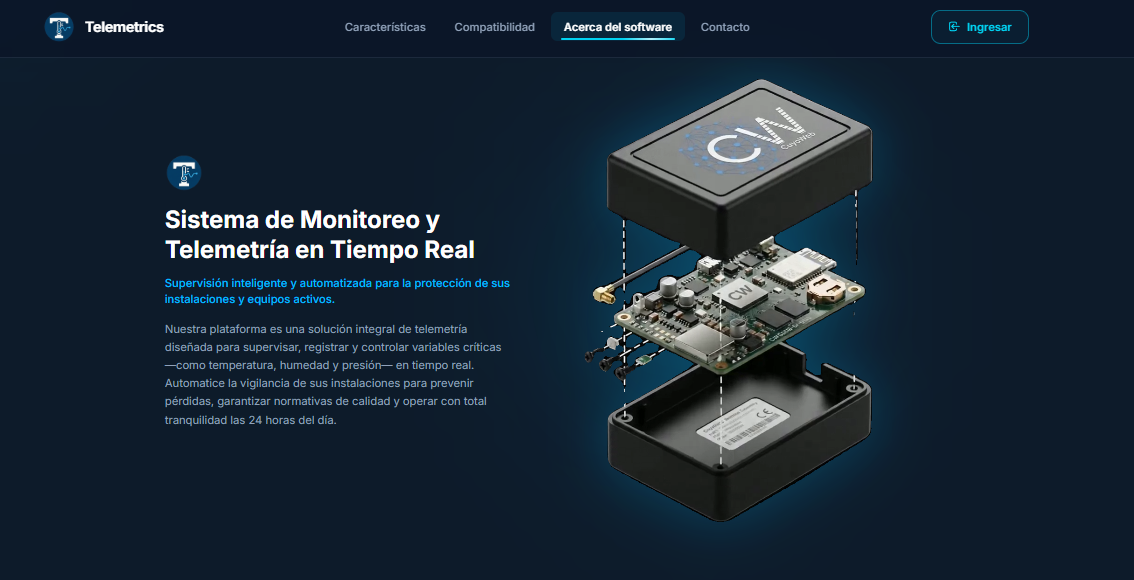
Core Features
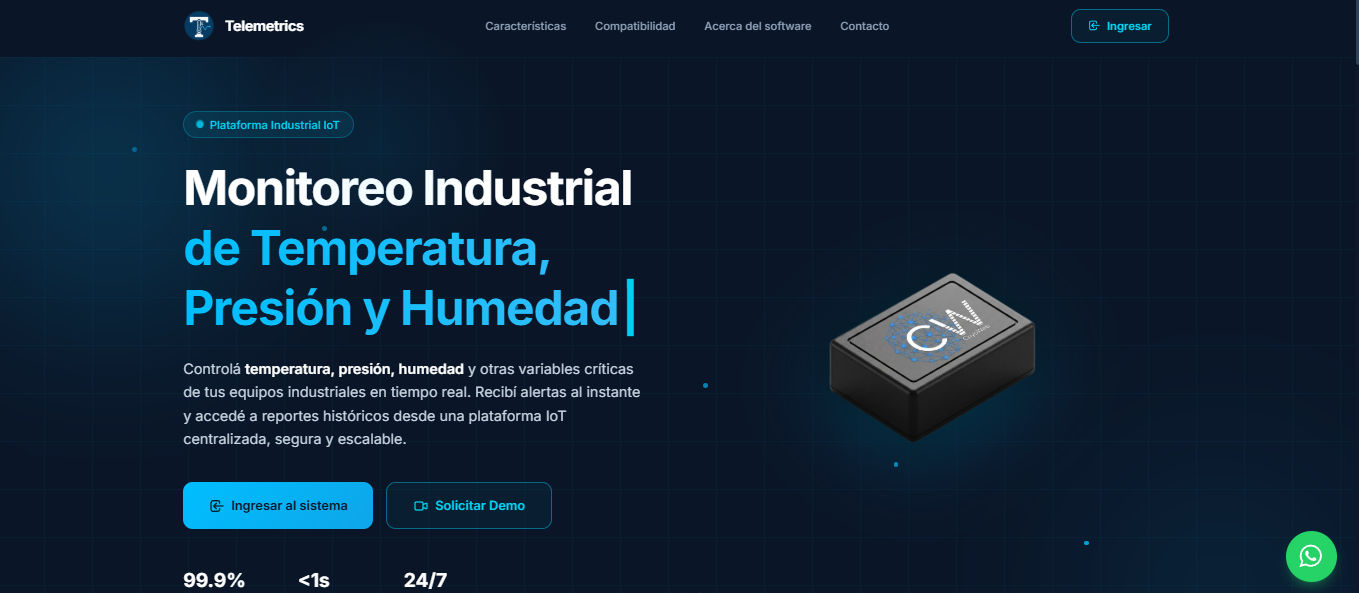
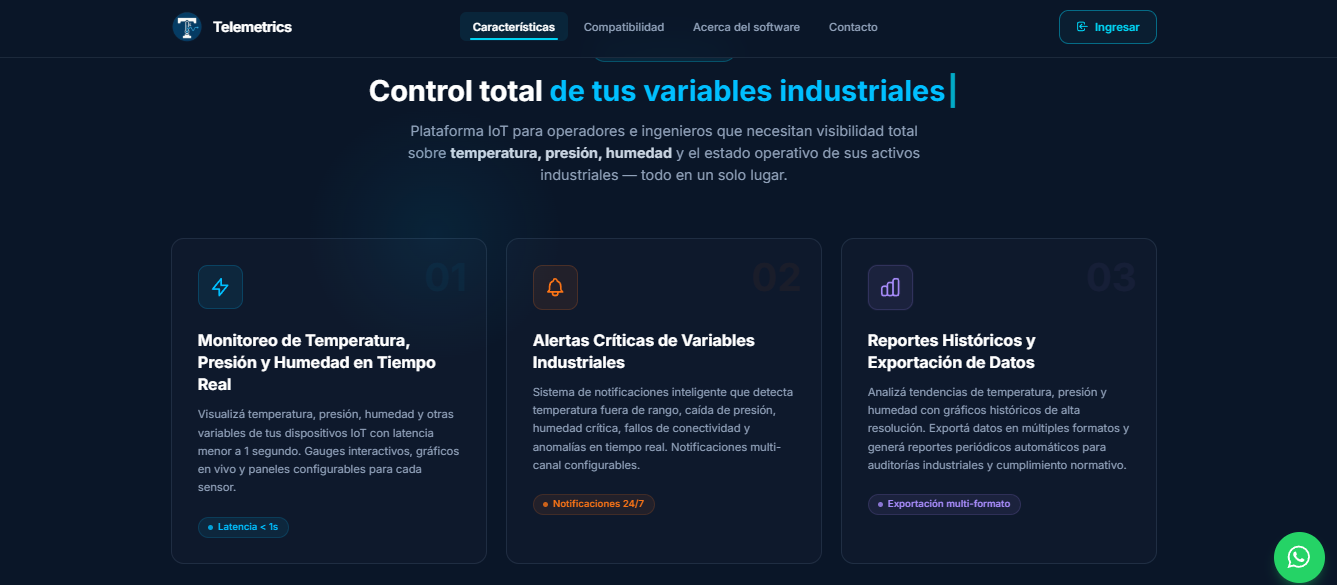
- Real-Time Monitoring: Continuous measurement and recording of critical physical variables (temperature, humidity, and equipment operational status) with instant, split-second data updates.
- Dynamic Dashboards: Visualization of critical metrics through interactive charts and intuitive control panels to facilitate the analysis of current and historical data.
- Automated Alerts: Instant notifications dispatched upon detecting any anomalies or deviations from established safety ranges, enabling immediate preventive action.
CuyoWeb Implementation
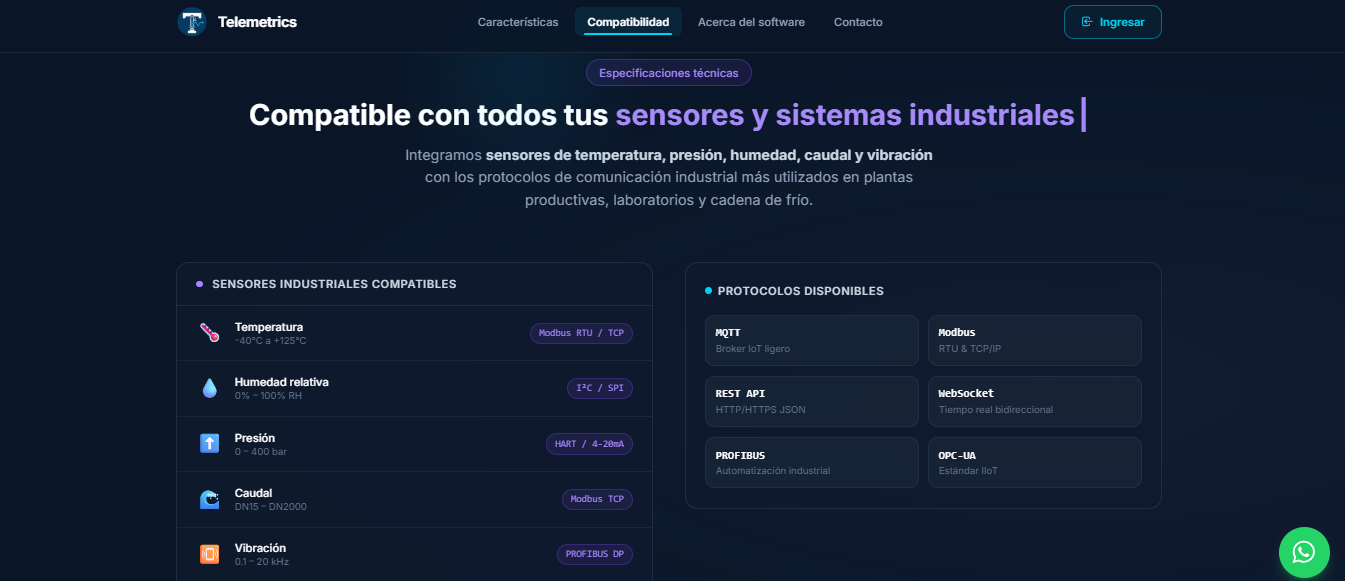
- Data Architecture: Engineering of a robust data acquisition and processing infrastructure capable of receiving and organizing constant data streams from sensors without latency.
- Bespoke Software Development: Construction of a fully responsive web control panel featuring a clean, clear, and modern user interface for seamless monitoring from any device.
- Industrial Scalability: System structured under highly scalable parameters, designed to adapt to the needs of multiple industries such as agriculture, mining, energy, transport, and manufacturing.
Key Metrics & Results
- Fault Prevention: Ability to anticipate critical technical issues before they impact the general operations of the business.
- Operational Efficiency: Optimization of maintenance workflows, shifting from an urgent reactive model to a purely preventive and scheduled approach.
- Downtime Reduction: Drastic minimization of critical equipment and installation downtime, safeguarding business continuity.